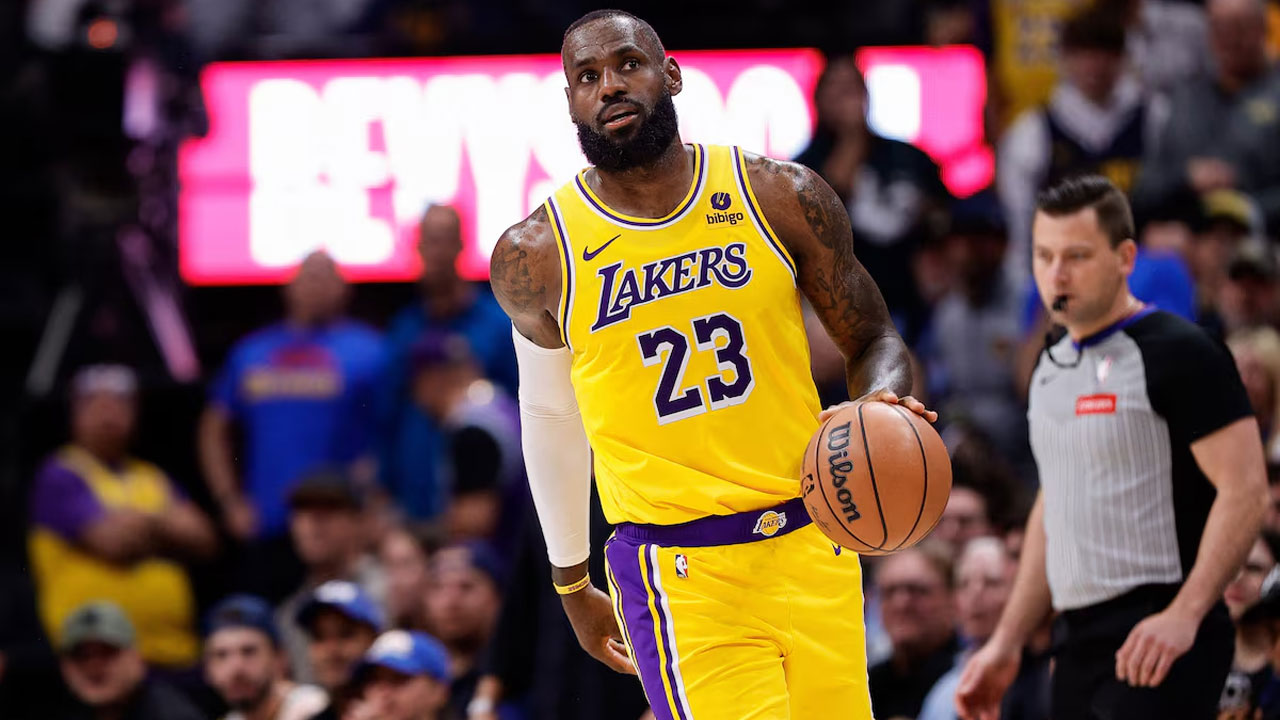
Iman Shumpert had a unique way of describing LeBron James. In a recent podcast, Shumpert said: “This is the best way I can describe it. He is Chat GPT. You can ask him anything, he knows. He knows the coaches, assistants, the player development… Most athletes better than you give you one pointer, if you can’t do it, give it to me. Bron will give you the learning curve.”
View this post on Instagram
It sounds funny at first, but the comparison makes sense when you think about it.
Shumpert was not just talking about LeBron’s scoring or athletic ability. He was talking about his mind, his awareness, and his understanding of every layer of the game and the organization around it. According to Shumpert, you can ask LeBron anything about basketball and he will have an answer: Coaches, assistants, player development staff, opponent tendencies, and game situations – he processes it all.
That level of knowledge does not happen by accident.
LeBron has built a reputation over two decades as one of the smartest players in NBA history. Teammates consistently talk about how he studies film, remembers sets from years ago, and recognizes actions before they unfold. He sees patterns in real time. He understands time and score. He knows when to attack and when to facilitate. His basketball IQ has always separated him from the rest of the league.
But what stood out in Shumpert’s quote was not just the knowledge. It was the willingness to teach. “Most athletes that are better than you give you one pointer. If you can’t do it, give it to me.”
That line reflects something common in professional sports. Superstars often simplify things for teammates. They give one quick instruction. If it works, great. If it does not, they take over. The gap in ability makes it easier for them to rely on themselves rather than invest time in explaining the full process.
Shumpert says LeBron operates differently. “Bron will give you the learning curve.”
That is a significant distinction. Giving someone the learning curve means walking them through the progression. It means explaining not just what to do, but why to do it. It means helping a teammate understand reads, spacing, timing, and decision-making instead of just demanding execution. That approach requires patience and leadership.
Throughout his career, LeBron has played with veterans, role players, young prospects, and first-time playoff contributors. On championship teams, margins are thin. Rotations shorten. Every possession matters. Instead of isolating teammates when the pressure rises, LeBron has often elevated them by making sure they understand their role in detail.
This is part of why so many players credit him for extending their careers or helping them have their best seasons. When a player understands exactly where to be and what to look for, confidence follows. When confidence follows, performance improves.
The “ChatGPT” comparison also speaks to preparation. LeBron’s ability to recall information is well documented. He can reportedly remember specific plays from games years earlier, including the exact coverage used and the outcome of the possession. That type of recall gives him an advantage in playoff series where adjustments determine the outcome.
It also gives his teammates security. When things break down, they know someone on the floor sees the bigger picture.
Shumpert’s comment ultimately highlights something deeper about LeBron’s greatness. It is not just physical dominance or longevity. It is mastery of information and the willingness to share it. Being a resource for your teammates creates trust, and that trust creates cohesion which in turn wins games.
:filters:quality(95)/images/story/12642/lebron-james-opts-in-for-23rd-season_690w.jpeg)
:filters:quality(95)/images/assets/BasketballNews-Beta%403x.png)