
Stephen A. Smith's Colleague Backs Victor Wembanyama & Co Over Handshake Controversy With Knicks
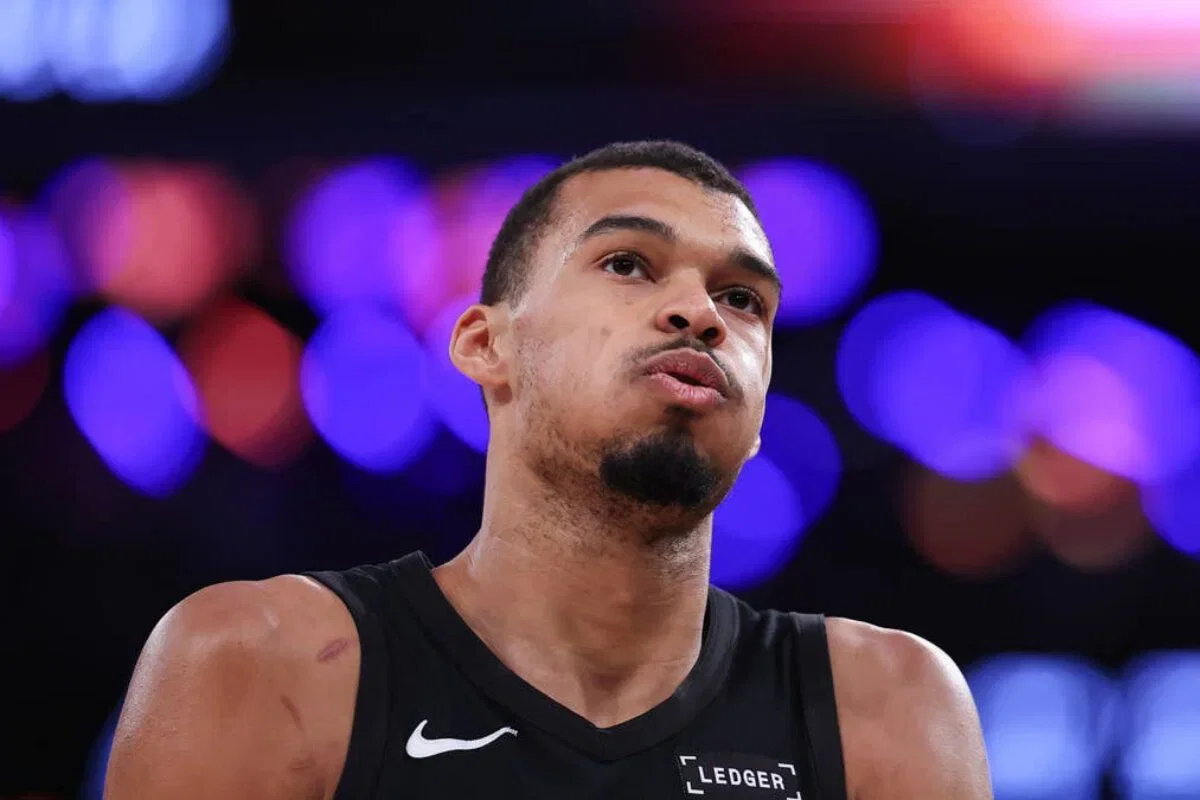
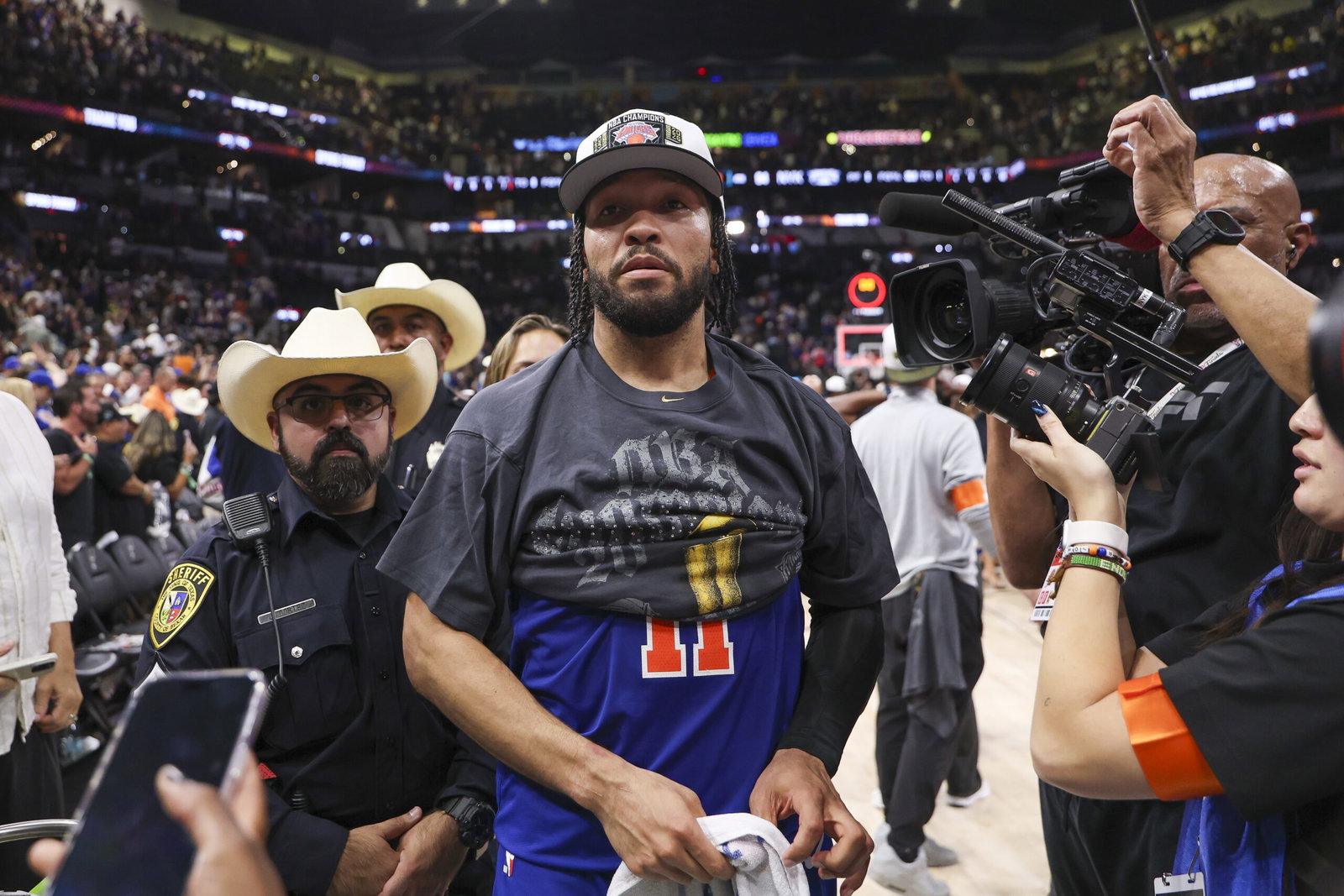
The San Antonio Spurs entered the NBA Finals as the overall favorites to beat the New York Knicks. But five games later, they were left sulking, as most of their players and staff sheepishly left their home court without shaking the hands of the players who had just created history. Many criticized them, but some, like Stephen A. Smith's colleague, understand it.
"Shaking hands is what you do when you're in the little leagues, when you're in JV trying to teach about 'treat the game the right way,'" Jay Williams said in the First Take podcast, while discussing the incident with Smith, Kendric Perkins, and Shae Cornette .
"I don't believe that NBA players or professional athletes have to shake hands. Why do they have to do that?" he added.
The Spurs had just gone through a fairly difficult series, not because they were outplayed by the Knicks but because they felt they squandered chances to win. In all five games, they took double-digit leads early in the game, and even led by as much as 29 in Game 4, before letting it slip.
So, according to Williams, the Spurs players walking off was not a sign of disrespect and may have simply been a reflection of how angry they were with themselves.
Cornette was the first to challenge Williams, arguing that shaking hands is something everybody does and has therefore become an unwritten rule.
"I don't have to do it because everybody does it," Williams argued. "Nobody made it a rule. I can respect Stephen A. Smith, and when we're done, I don't need to dap him before I go off set. I'm here to debate him; I'm trying to win a debate."
Williams, who was selected No. 2 in the 2002 NBA Draft, added that having to shake hands is one of the worst things to happen in sports.
Victor Wembanyama Opens Up on What He Learned After Blowing Multiple Leads in the Finals
During the post-game press conference following their loss to the New York Knicks, Jared Weiss of The Athletic asked Victor Wembanyama what he learned about the degree of difficulty in the Finals.
"One of the many things I learned is the margin of error is very, very thin," Wemby said. "Our domination stints were absolute. We absolutely dominated for most of the series, but our errors are punished so hard."
The Spurs had a commanding lead over the Knicks in every single game.
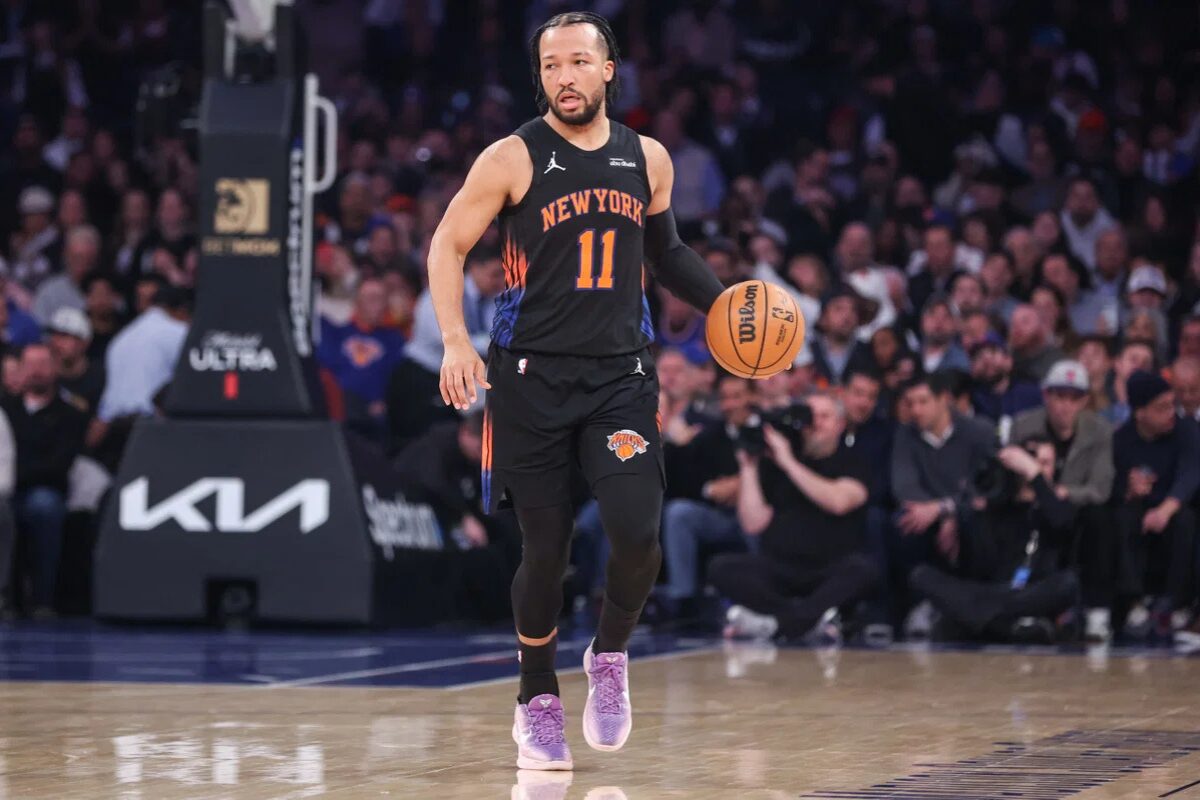
In Game 1, they led by 14 points midway through the third quarter. However, that lead had all but evaporated entering the game's final frame. They ended up losing by 10 after Jalen Brunson took over in the clutch.
Game 2 was more of the same. They started hot from the opening tip and led for most of the first half, including a 12-point advantage. However, just before halftime, the Knicks were back in control. The game would come down to the wire, with the Knicks escaping with a 1-point lead.
In Game 3, Wembanyama and the Spurs hit the ground running to begin the game. They had a double-figure lead early, but once again, that advantage disappeared before halftime.
They managed to still come away with the victory, but it was another showing of the Knicks' resilience.
Game 4 was perhaps the most painful loss for the Spurs. Once again, they started the game blazing hot. Their lead ballooned by up to 29 points, but even that was not enough.
Toward the end of the game, the Knicks finally took control. Their lead never grew beyond a single point. That one-point lead was enough, though, as the Knicks won 107-106.
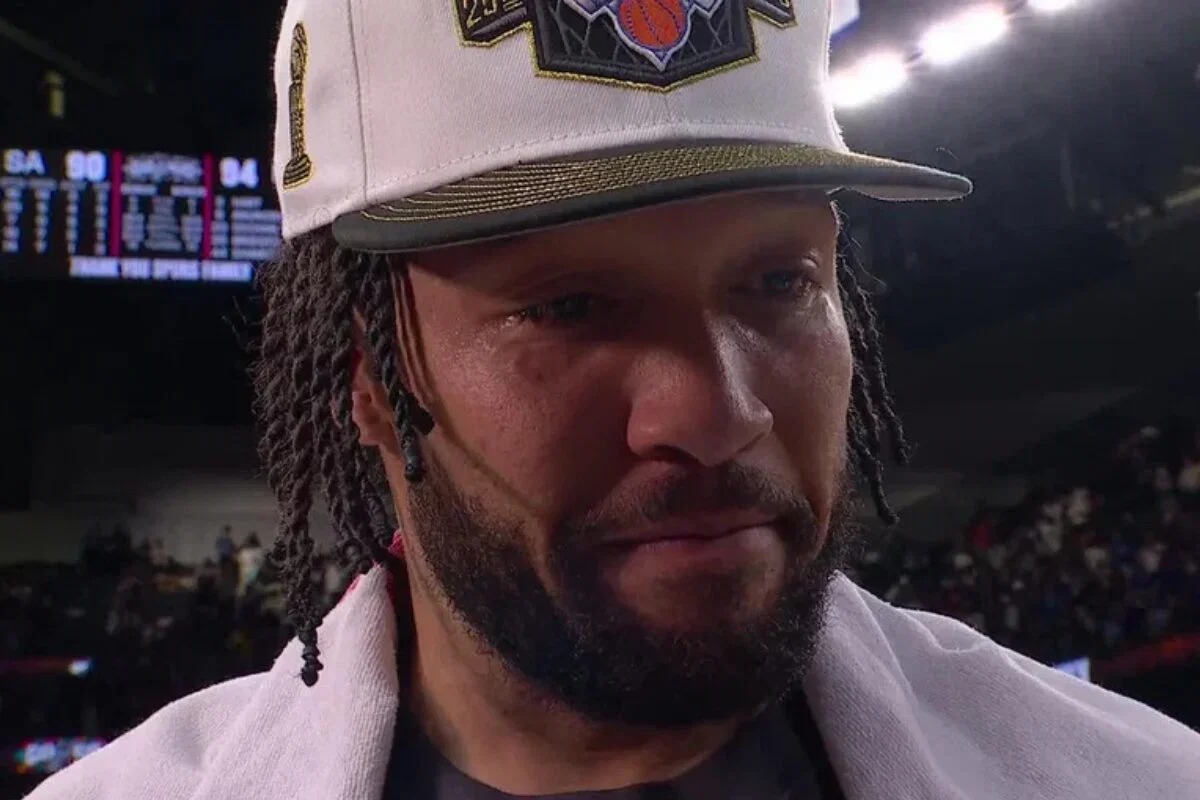
The final game of the series, Game 5, told the same story. The Spurs took a 16-point lead, and then they relinquished it. The game would go down to the wire, ending with a 4-point win and a championship for the Knicks.


Somin Bhattacharjee